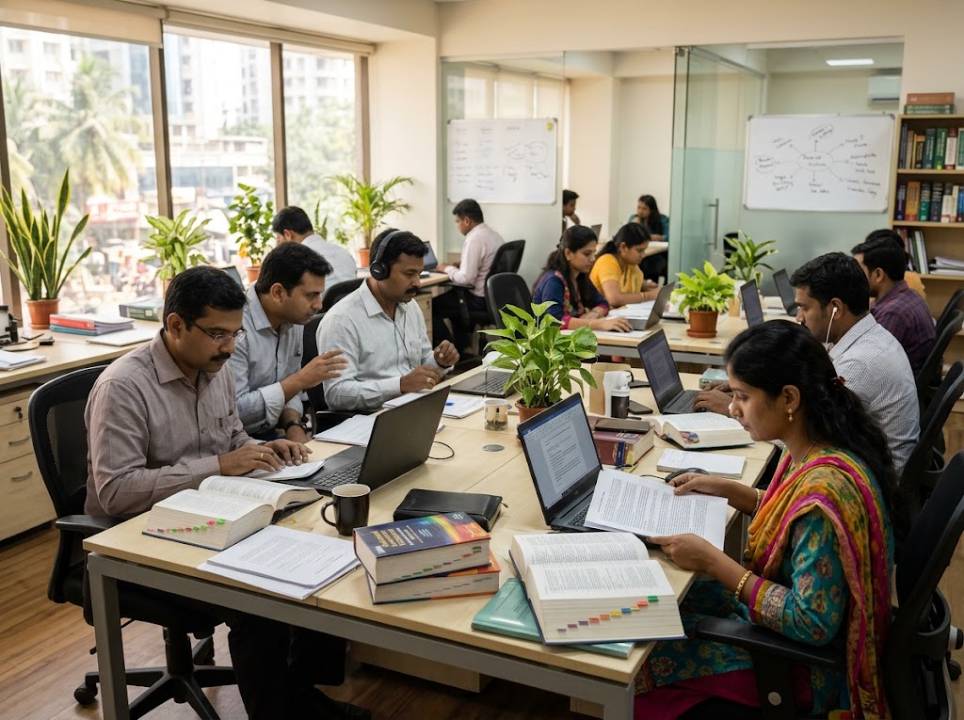
Finding the right translation agency can feel overwhelming, especially in a city as multilingual as Hyderabad. Dozens of providers offer similar promises, yet quality, speed and price vary widely. This guide explains what makes the city a strong language hub, how to define your project, what to check before hiring, how Indian language needs differ from other markets and how to work with your chosen agency for the best results.
Why Hyderabad is a strong translation hub
Hyderabad sits at the crossroads of several languages and industries. Telugu and Urdu are spoken daily, Hindi and English are widely used in business, and the city hosts a large technology, pharmaceutical and education sector that constantly needs documents translated. This mix has produced a skilled pool of linguists and agencies that serve clients across India and abroad. For companies entering the Indian market, or Indian firms reaching global customers, a local partner who understands both language and context can save months of trial and error.
Know what you need before you search
Agencies differ in what they do best, so start by defining your project. Is it a legal contract, a medical report, a website, a marketing brochure or a set of academic certificates? Which languages are involved, what is the deadline and who will read the final text? A clear brief helps agencies quote accurately and match you with the right translator. Projects that need official stamps, such as immigration or court papers, require different handling from creative marketing copy, and describing this early prevents surprises.
Qualities of a reliable agency
Look for a visible process. Good agencies assign a project manager, use qualified translators who work into their native language, and add a second linguist to review the text. Ask about confidentiality, because documents often contain personal or commercial data. Standards bodies such as the International Organization for Standardization publish quality benchmarks for translation services, and agencies that follow them can usually explain their workflow clearly. An agency worth hiring is one that can describe how it checks its own work and is willing to show examples, not just promise perfect results.
Understanding Indian language needs
India has twenty two official languages and hundreds of dialects, each with its own script and style. A translation into Hindi for northern India may not suit readers in Telangana, where Telugu dominates. Formal documents often follow different conventions from everyday speech. Marketing teams should also consider regional humor, idioms and cultural references. Content that sounds natural builds trust, which is why research on why audiences prefer content in their native language matters even for businesses that serve multilingual local audiences.
Certified and official translations
Some documents must be accepted by authorities, universities or embassies. These typically require a signed statement from the translator or agency, and sometimes notarization or an apostille. Rules vary by country and by receiving office, so confirm what is needed before ordering. Agencies that work with international partners can sometimes coordinate with services such as certified translation services when documents must be recognized abroad. Keep clear scans of original papers, and make sure names are spelled consistently across all files.
Pricing and turnaround
Prices are usually based on word count, language pair and complexity, with extra charges for rush delivery, formatting or specialized subjects. The cheapest quote is not always the best, because poor quality can lead to rework or even legal trouble. Request a written estimate that lists what is included, such as proofreading and revisions. For large or ongoing projects, ask about volume discounts and translation memory, which reuses earlier work and keeps terminology consistent while lowering costs over time.
Working well with your agency
Good results are a partnership. Provide reference material, glossaries and examples of tone you like. Answer translator questions promptly, since small clarifications prevent big errors. Give feedback in a constructive way and share the final published version so the agency can learn your preferences. Long term relationships often produce the best work, because translators grow familiar with your products and audience and can anticipate your needs.
Technology and human skill
Machine translation has improved, and many agencies use it as a first draft for suitable content. Yet human review remains essential for accuracy, tone and cultural fit, especially in legal, medical and marketing texts. Ask how an agency combines tools with expert editors, and whether you can opt out of machine assistance for sensitive documents. The best providers use technology to speed up routine work while keeping people responsible for the final quality.
Red flags to avoid
Be careful with agencies that cannot name their translators, refuse samples, promise impossible deadlines or quote prices far below the market. Vague contracts, missing confidentiality terms and slow communication before you sign are also warning signs. Check reviews, ask for references and trust your instincts. A short call with a project manager often reveals more about professionalism than a polished website.